What Does Mucosal Thickening on a Sinus CT Scan Actually Mean?

Introduction – Understanding Mucosal Thickening on a Sinus CT Scan
If you have recently undergone a sinus CT scan, you may have noticed the term “mucosal thickening” in your report. Although it sounds concerning, this finding does not necessarily mean you have a serious sinus problem.
Mucosal thickening refers to swelling or thickening of the thin tissue lining the sinuses. It can develop for several reasons, including inflammation, allergies, or a recent respiratory infection.
Importantly, mucosal thickening is an imaging finding rather than a diagnosis on its own. Understanding what it means can help you have a more informed discussion with your doctor about whether further assessment or treatment is necessary.
What Is Mucosal Thickening on a Sinus CT Scan?
The sinuses are air-filled spaces located around the nose, cheeks, forehead, and between the eyes. Their inner surfaces are covered by a thin, moist layer of tissue called the mucosa, which produces mucus to help trap particles and keep the lining healthy.
When this tissue becomes inflamed, it may swell and appear thicker than normal. This change is known as mucosal thickening.
How Does Mucosal Thickening Appear on a CT Scan?
A computed tomography (CT) scan uses X-rays to create detailed images of the sinuses and surrounding structures.
Healthy, air-filled sinuses usually appear dark on CT images. Areas of thickened tissue appear lighter, allowing doctors to identify changes within the sinus cavities.
The scan can also show whether the thickening affects one sinus or several areas. However, a CT scan cannot determine the exact cause of mucosal thickening without considering other clinical information.
What Causes Mucosal Thickening in the Sinuses?

Several conditions can lead to changes in the sinus lining. Some are temporary, while others involve ongoing inflammation.
Recent Colds or Respiratory Infections
A common cold can cause inflammation in the nose and sinuses. Even after symptoms improve, some swelling may remain visible on a CT scan.
This does not necessarily indicate that an infection is still active or that antibiotics are required.
Allergies and Persistent Inflammation
Allergic rhinitis, commonly triggered by allergens such as house dust mites, can cause ongoing nasal inflammation. In some people, this may also contribute to swelling around the sinus drainage openings.
Chronic sinusitis, also known as chronic rhinosinusitis, is another possible cause. It involves persistent inflammation of the nose and sinuses, rather than simply an infection that has failed to clear.
Other Contributing Factors
Mucosal thickening may also be associated with:
- Blocked sinus drainage pathways: Swelling or structural narrowing can interfere with normal mucus drainage.
- Nasal polyps: Soft inflammatory growths may develop in people with certain chronic sinus conditions.
- Dental problems: Infections involving upper teeth can sometimes affect the nearby maxillary sinuses, located within the cheeks.
Because these conditions can produce similar changes on CT images, the scan findings must be interpreted alongside the patient’s symptoms and examination.
Does Mucosal Thickening Always Mean You Have Sinusitis?
Not necessarily. One of the most important things to understand is that mucosal thickening can appear in people who have no significant sinus symptoms.
Sometimes, thickening is discovered unexpectedly when imaging is performed for another medical reason. Doctors refer to this as an incidental finding.
Why CT Findings May Not Match Your Symptoms
A person with mild mucosal thickening may experience troublesome nasal symptoms, while someone with more extensive changes may have few complaints.
This happens because CT scans show the physical appearance of the sinuses, but they do not directly measure discomfort or how the condition affects daily life.
For chronic sinusitis to be diagnosed, symptoms generally need to persist for at least 12 weeks, together with objective evidence of inflammation.
Symptoms may include nasal blockage, nasal discharge, reduced sense of smell, or facial pressure. Doctors consider the combination of findings rather than relying on imaging alone.
What Do Mild, Moderate or Severe Mucosal Thickening Mean?
CT scan reports sometimes describe mucosal thickening as mild, moderate, marked, or extensive. These terms help communicate how much thickening is visible.
However, they do not necessarily indicate how serious the underlying condition is.
Understanding Common CT Report Terms
You may encounter descriptions such as:
- Mild mucosal thickening: A relatively small amount of thickening along the sinus lining.
- Diffuse mucosal thickening: Thickening that extends across a broader area of the lining.
- Partial opacification: Part of the normally air-filled sinus appears occupied by tissue or other material, such as mucus.
- Complete opacification: The sinus appears filled rather than normally air-filled on the scan.
Complete opacification can have different causes and does not automatically mean a bacterial infection.
Does the Location of Thickening Matter?
Yes. Doctors examine which sinuses are affected, whether the changes occur on one or both sides, and whether important drainage pathways appear narrowed or blocked.
For example, persistent one-sided changes may need closer evaluation, particularly when accompanied by unusual symptoms. The location and appearance help guide further assessment, but neither establishes a diagnosis independently.
How Does an ENT Specialist Interpret Mucosal Thickening?

An ENT assessment involves more than reading the CT report. The specialist considers the imaging findings together with the patient’s medical history, symptoms, and nasal examination.
Reviewing Symptoms and Medical History
The doctor may ask about:
- How long nasal blockage or sinus discomfort has been present.
- Whether symptoms occur continuously or come and go.
- Changes in the sense of smell.
- Previous sinus infections, allergies, or treatments.
- Whether symptoms interfere with sleep or everyday activities.
These details help establish whether the imaging changes are likely to be clinically significant.
Examining the Nose and Sinus Drainage Areas
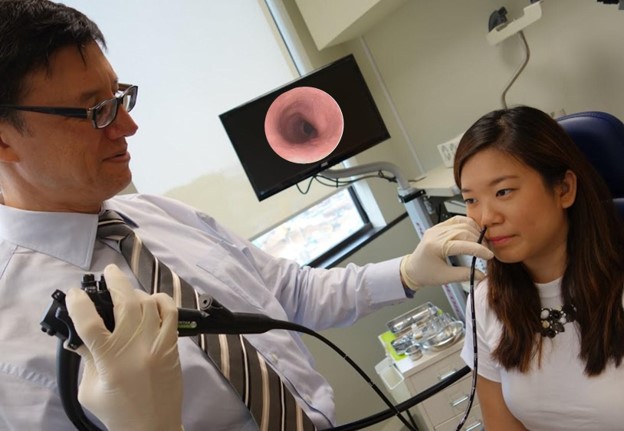
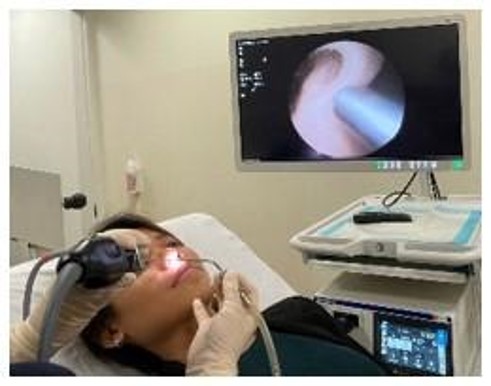
In some cases, the doctor may perform nasal endoscopy (https://www.vortexla.org/is-nasal-endoscopy-painful-a-singapore-ent-explains-the-nose-scope-procedure/). This involves passing a small camera through the nose to examine the nasal passages and the areas where the sinuses drain.
The examination may reveal swelling, nasal polyps, or abnormal discharge that cannot be fully assessed from symptoms alone.
Further investigations are considered only when the findings suggest they may be useful.
Does Mucosal Thickening on a Sinus CT Scan Need Treatment?
Not every case of mucosal thickening requires treatment. The decision depends on the underlying cause, associated symptoms, and clinical findings.
When Treatment May Not Be Necessary
If mild thickening is discovered incidentally and there are no troublesome symptoms, a doctor may decide that no specific treatment is required.
Temporary inflammatory changes may also improve as the underlying irritation or respiratory illness resolves.
When Medical Treatment May Be Considered
For patients with symptomatic sinus inflammation, treatment may include saline nasal rinses or prescribed nasal steroid sprays. These approaches can help manage inflammation in appropriate cases.
Antibiotics are not routinely indicated simply because mucosal thickening is visible on a scan. Their use depends on whether a bacterial infection is suspected and whether treatment is clinically appropriate.
Sinus surgery is generally reserved for selected patients with significant sinus disease who may benefit from an operation after appropriate assessment and medical management.
The aim is to treat the patient’s condition, not merely to make the CT scan appear normal.
When Should You Be Concerned About Mucosal Thickening?
Although mucosal thickening is often not an emergency, certain symptoms warrant medical attention.
Consider arranging an assessment if you experience:
- Persistent nasal blockage or discharge.
- Repeated episodes of sinus-related symptoms.
- Reduced sense of smell that does not improve.
- Ongoing facial pressure or discomfort.
- Persistent symptoms affecting mainly one side of the nose.
More urgent medical attention is needed if symptoms include swelling around the eye, changes in vision, severe or rapidly worsening headache, confusion, or significant facial swelling.
These warning signs are uncommon but may indicate a problem requiring prompt investigation. They should not be attributed to simple mucosal thickening without medical assessment.
Frequently Asked Questions About Mucosal Thickening
Can Mild Mucosal Thickening Go Away on Its Own?
Yes, mild thickening associated with temporary inflammation may improve without specific treatment. However, the outcome depends on its cause and whether ongoing inflammation is present.
Is Mucosal Thickening on a CT Scan Dangerous?
Mucosal thickening is not usually dangerous by itself. Its significance depends on the extent of the changes, associated symptoms, and other clinical findings.
Does Mucosal Thickening Mean I Need Antibiotics?
No. Mucosal thickening does not confirm a bacterial infection, and antibiotics are not automatically necessary. A doctor determines whether they are appropriate based on the overall clinical picture.
Can Mucosal Thickening Cause a Blocked Nose?
Sinus inflammation may occur alongside nasal swelling and blockage. However, mild thickening within a sinus does not necessarily explain nasal obstruction, which can have several other causes.
Do I Need Another CT Scan to Check for Improvement?
Repeat CT scans are not routinely required for every patient. A doctor may recommend further imaging if symptoms persist, complications are suspected, or additional information is needed to guide treatment.
Conclusion – Understanding Your Sinus CT Scan Results
Mucosal thickening on a sinus CT scan is a finding that describes changes in the tissue lining the sinuses. While it may be associated with inflammation, it does not automatically mean you have an active infection, chronic sinusitis, or a condition requiring surgery.
The most important consideration is whether the scan findings correspond with your symptoms and medical history.
If you have persistent sinus symptoms or concerns about your scan report, consulting a sinus doctor in Singapore can help you understand the findings and whether further assessment or treatment is appropriate.
What Does Mucosal Thickening on a Sinus CT Scan Actually Mean? Read More »